


























30 Video Games That Defined the 2000s
Depending on who you ask, the 2000s were one of the best and most pivotal decades in gaming, defined by the great games and franchises that debuted during the era. First and foremost, the quantum leap in technology represented by the transition between 5th and 6th-generation hardware pushed the envelope in terms of what was possible on a home console, paving the way for not just generation-defining, but medium-defining experiences that transformed the gaming landscape like Halo, Counter-Strike, and, of course, Grand Theft Auto III. In many ways, the gaming industry is still just playing catch-up with the level of innovation and artistry on display during the 2000s, and while we have the benefit of more impressive technology now, the games themselves are simply too good to ever be surpassed.
Jet Set Radio
- Release Date — June 29, 2000
- Developer — Smilebit
- Publisher — Sega
- Genre — Action
- Review Aggregate Score — 92% (Universal Acclaim)
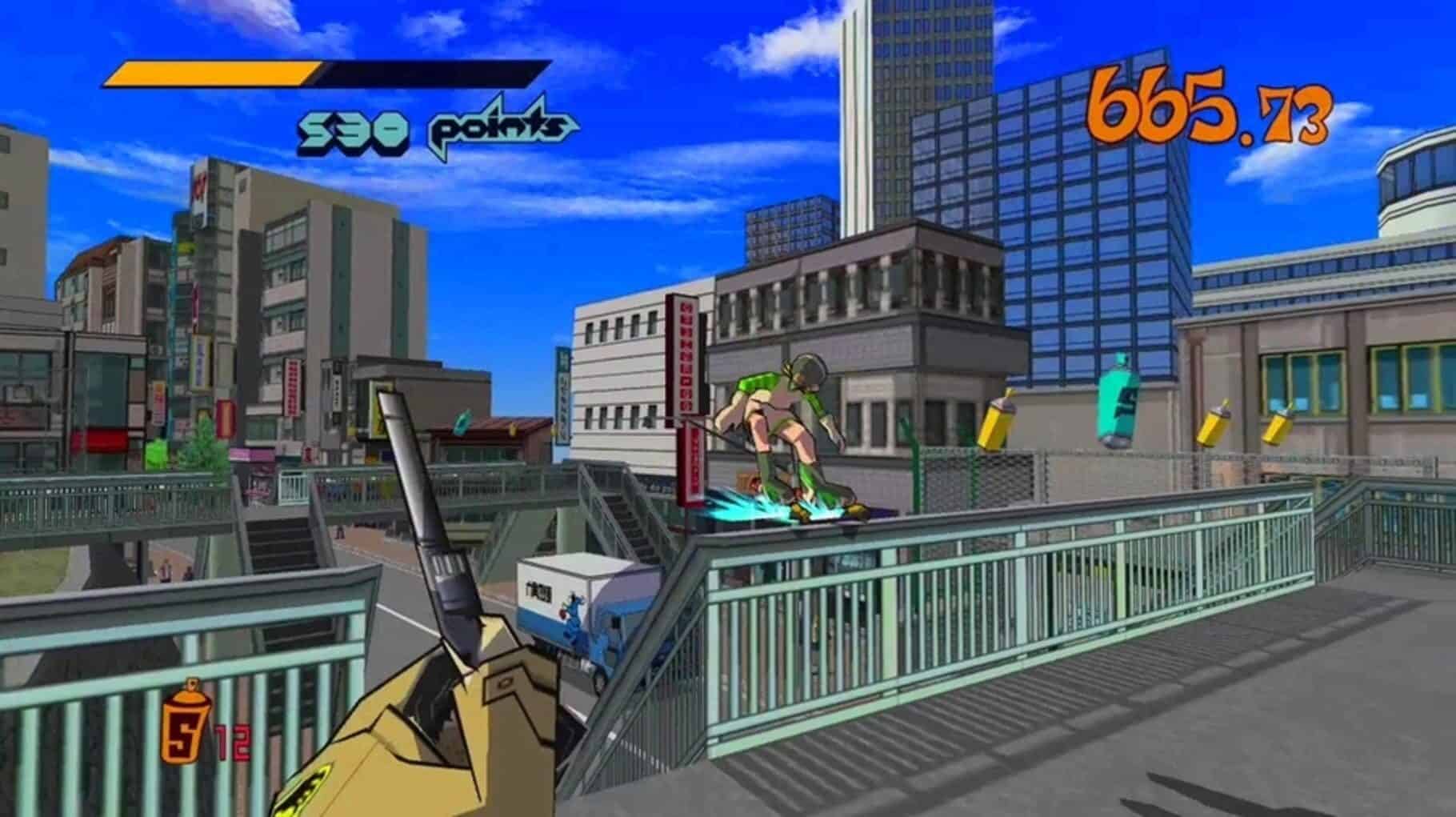
Few games are so of the era and a definitive piece of pop culture that helped define the era as Jet Set Radio, a perfect time capsule of the late 90s/early 2000s underground zeitgeist. Gameplay-wise, Jet Set Radio is essentially Tony Hawk's Pro Skater with cel-shaded visuals, a story, and a graffiti mini-game, but it blends those elements together so well to stand as a perfect encapsulation of what made the Dreamcast so special beyond just being Sega's final console. And the soundtrack, my goodness. A true gem from 2000 that accurately encapsulates the entire decade.
Grand Theft Auto: San Andreas
- Release Date — October 26, 2004
- Developer — Rockstar North
- Publisher — Rockstar Games
- Genre — Action-Adventure
- Review Aggregate Score — 95% (Universal Acclaim)
It's practically impossible to have a list of games that defined the 2000s and just include one Grand Theft Auto title, as it was the franchise that arguably defined the entire decade. And while Grand Theft Auto III and Vice City may have been more pivotal (and are also represented on this list), Grand Theft Auto: San Andreas capped off the series' incredible PS2 trilogy with its most ambitious and expansive entry yet. You can almost view Grand Theft Auto V as a spiritual successor to San Andreas, especially since both games take place in the sun-soaked approximation of Los Angeles that is Los Santos.
Uncharted 2: Among Thieves
- Release Date — October 13, 2009
- Developer — Naughty Dog
- Publisher — Sony Computer Entertainment
- Genre — Action-Adventure
- Review Aggregate Score — 96% (Universal Acclaim)
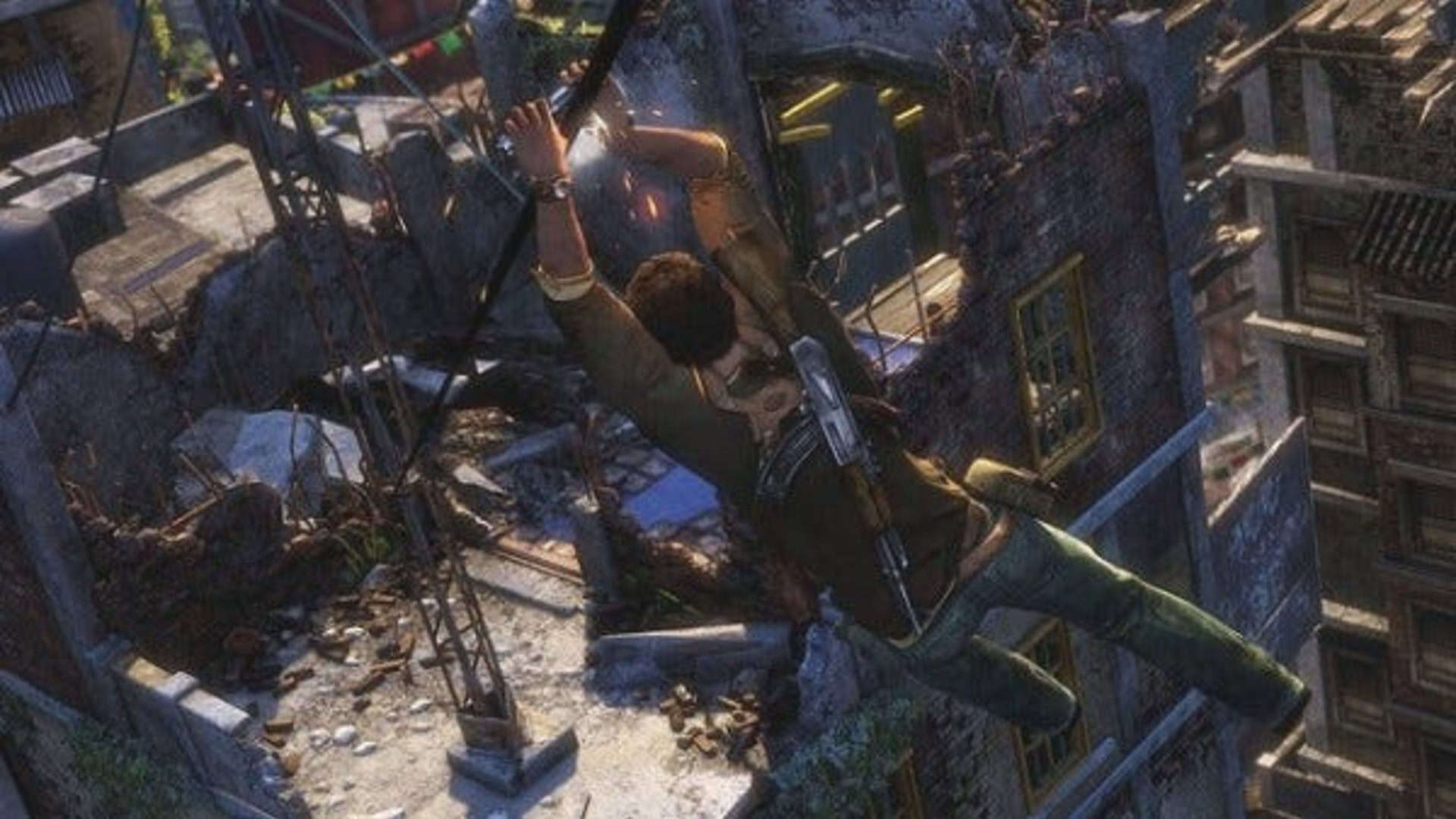
Although it released at the tail end of the decade, Uncharted 2: Among Thieves represents the pinnacle of what blockbuster action game design had become at that time, giving players what's arguably still one of the best titles in the genre as a result. Every aspect of Uncharted 2 fires on all cylinders, from the excellent setpiece moments, platforming segments, and white-knuckle shootouts to the excellent story, writing, and characters that the series has become well-known for (thanks to industry legend Amy Hennig). Uncharted 4 may be the best game in the series, but Uncharted 2 is a very close second and laid the foundation for the rest of the franchise.
Super Mario Galaxy
- Release Date — November 1, 2007
- Developer — Nintendo EAD Tokyo
- Publisher — Nintendo
- Genre — Platformer
- Review Aggregate Score — 97% (Universal Acclaim)
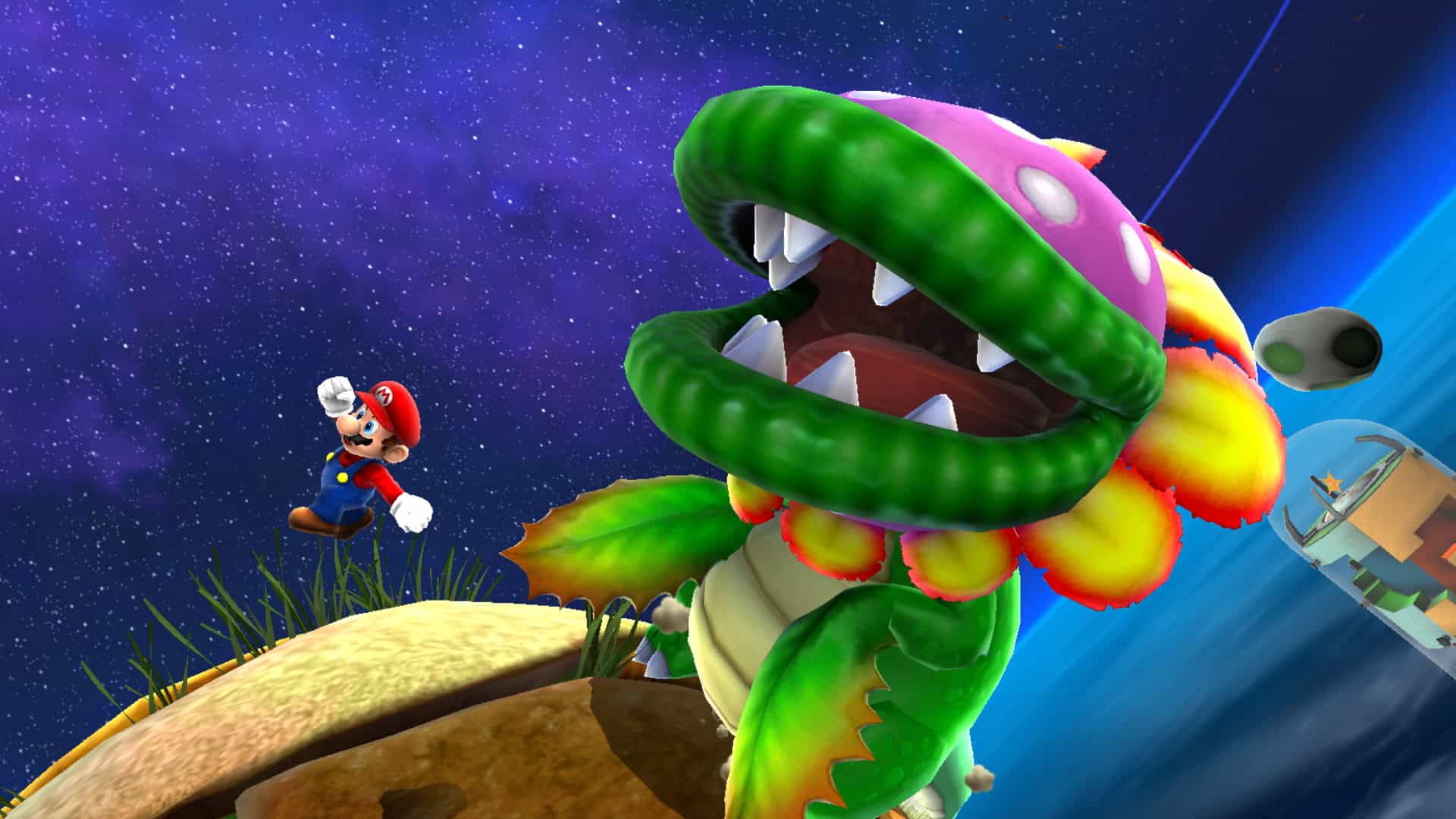
Nintendo knocked it out of the park with Mario's first foray into 3D and then only continued to innovate with the excellent Super Mario Sunshine, but it would be the Italian plumber's debut on the Wii, Super Mario Galaxy, that felt like the iconic mascot's definitive game for the 2000s. As a 3D Mario game, Mario Galaxy is pretty much without equal when it comes to innovative level design and fun platforming, and it's one of a handful of games to really make the most out of the Wii's motion controls in a way that goes beyond mere gimmick. And thanks to the recent Switch collection bringing both Galaxy and Galaxy 2 under one umbrella, it's obvious how well these games hold up in a modern context.
Final Fantasy X
- Release Date — July 19, 2001
- Developer — Square Product Development Division 1
- Publisher — Square
- Genre — JRPG
- Review Aggregate Score — 92% (Universal Acclaim)
While far from the only Final Fantasy to release during the decade, it's hard not to pinpoint Final Fantasy X as the game that helped define the series' trajectory for years to come, especially considering it was the series' triumphant debut on 6th-generation hardware. Ironically enough, Final Fantasy X would also end up being the last of the traditional Final Fantasy games in terms of its turn-based combat and progression systems, with each mainline entry after shaking up the franchise formula in significant ways. Ultimately, though, it's Final Fantasy X's incredible story and cast of characters that remain timeless, and a stark reminder of how this decade was one of the first where we got truly great video game narratives that could rival the best books or movies.
Ninja Gaiden
- Release Date — March 2, 2004
- Developer — Team Ninja
- Publisher — Tecmo
- Genre — Action
- Review Aggregate Score — 93% (Universal Acclaim)
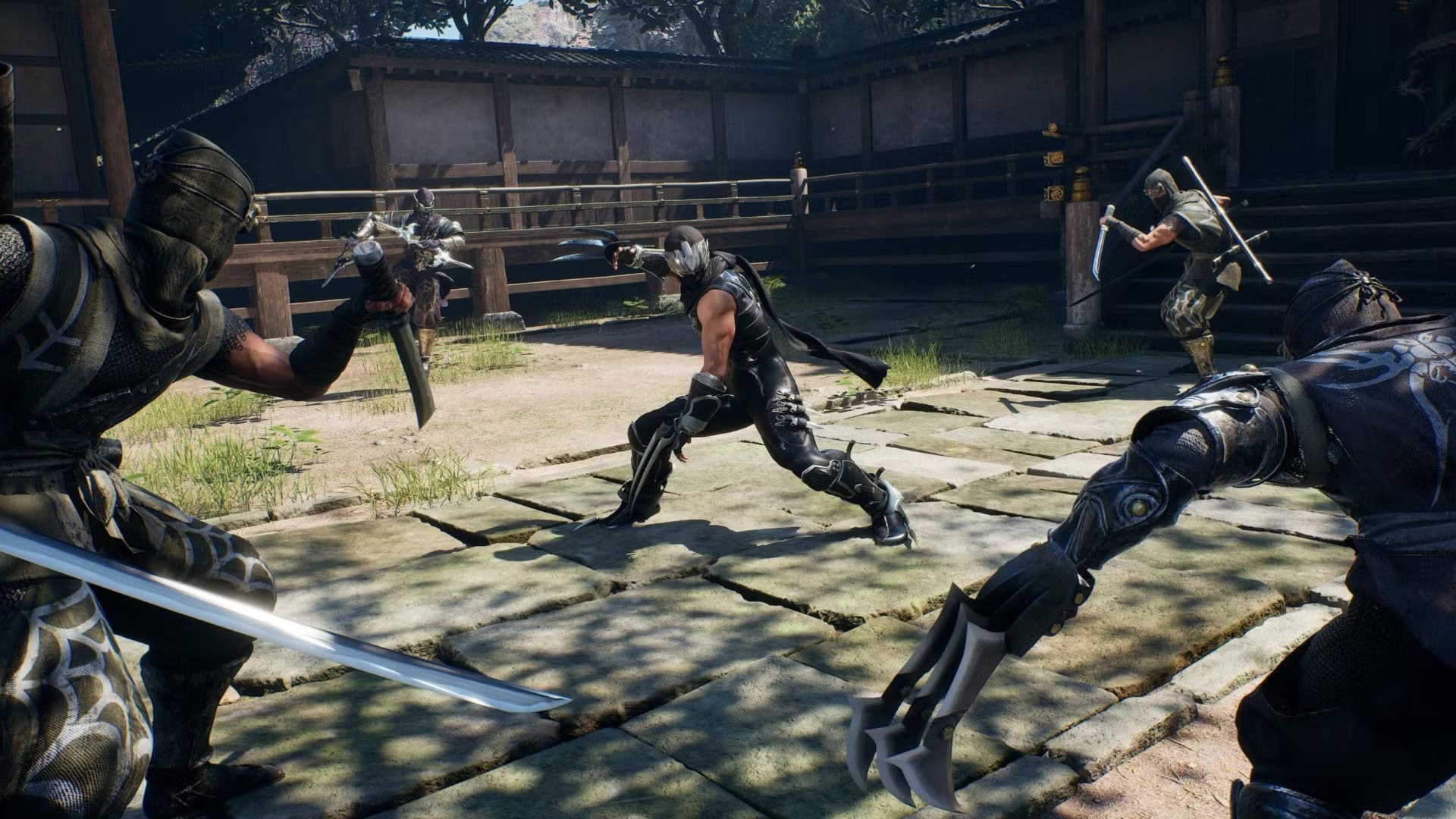
You could say that Devil May Cry walked so that Ninja Gaiden could run, and you'd at least be partially right (hence, why DMC is included on this list), but the truth is that the 3D Ninja Gaiden reboot can more directly trace its roots back to creator Tomonobu Itagaki's experience as a fighting game developer on Dead or Alive. Accordingly, the combat mechanics and encounter design in Ninja Gaiden are impressively deep, delivering an impressively high skill floor that only gives way to an even higher skill ceiling in terms of player expression. Easily one of the best and hardest character action games ever made, the 3D Ninja Gaiden reboot was one of the most important Xbox exclusives, too.
Star Wars: Knights of the Old Republic
- Release Date — July 16, 2003
- Developer — BioWare
- Publisher — LucasArts
- Genre — RPG
- Review Aggregate Score — 94% (Universal Acclaim)
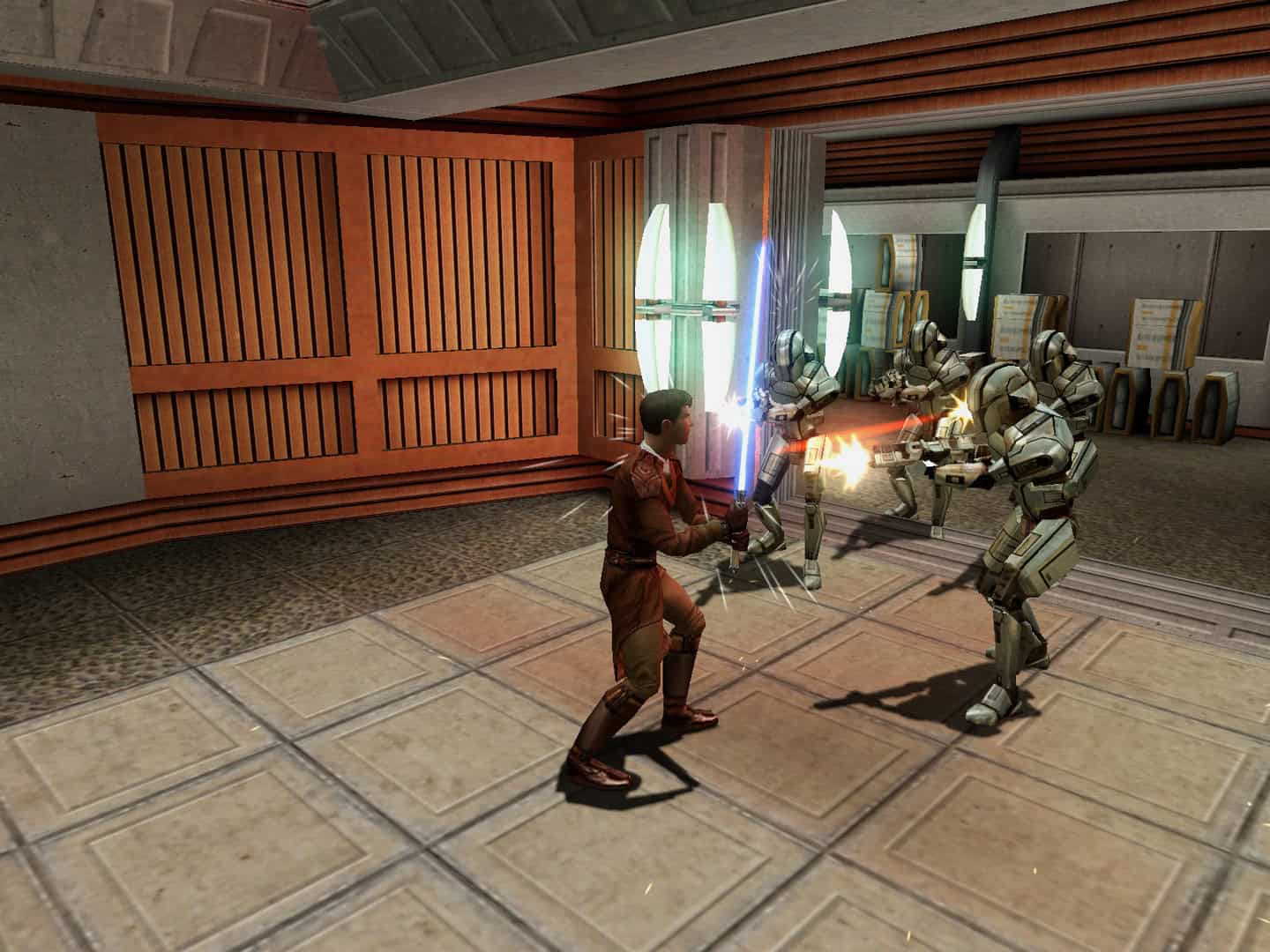
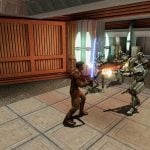
Speaking of definitive Xbox exclusives, you can't talk about the games that defined the 6th generation (and paved the way for the best of the 7th) without mentioning BioWare's Star Wars: Knights of the Old Republic. Taking what the developer had done with both Baldur's Gate titles and translating it into a Star Wars RPG with (for its time) incredible visuals was a dream come true for both Star Wars and RPG fans alike, and it ended up being the game that set BioWare on its path to even grander heights with the Mass Effect franchise. All these years later, it's still likely the best game ever made to use the Star Wars IP, along with being one of the best games of the decade.
Devil May Cry
- Release Date — August 23, 2001
- Developer — Capcom Production Studio 4
- Publisher — Capcom
- Genre — Action
- Review Aggregate Score — 94% (Universal Acclaim)
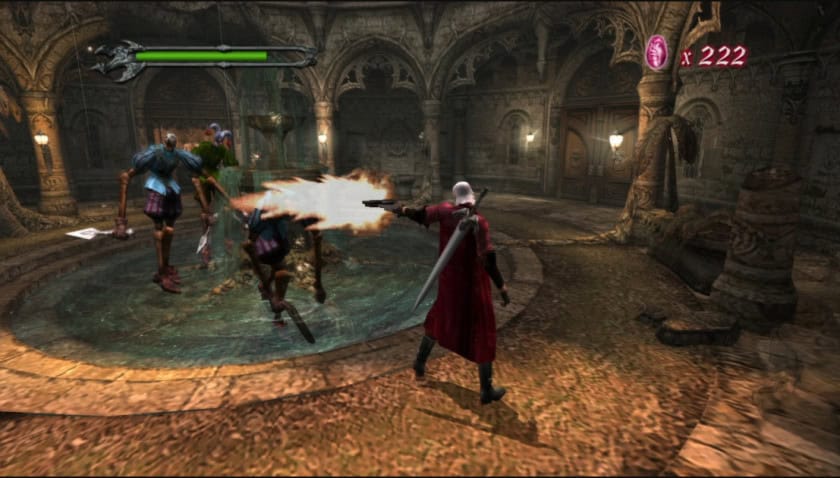
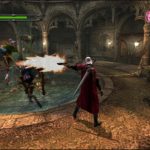
The many false starts that Capcom had with Resident Evil 4 ultimately gifted us both the best version of that game and a bonus in the form of Devil May Cry, which was the original template for RE4. Directed by Resident Evil 2 mastermind and future PlatinumGames founder Hideki Kamiya, Devil May Cry is pure early 2000s action movie bombast and effortless cool translated into an interactive experience that's equal parts hack-and-slash adventure and horror game. In addition to serving as one of the first "must-have" exclusives on the PS2, Devil May Cry also helped birth the character action subgenre, paving the way for games of its ilk to become the de facto format for action gaming over the course of the decade.
Tony Hawk's Pro Skater 2
- Release Date — September 19, 2000
- Developer — Neversoft
- Publisher — Activision
- Genre — Sports, Simulation
- Review Aggregate Score — 98% (Universal Acclaim)
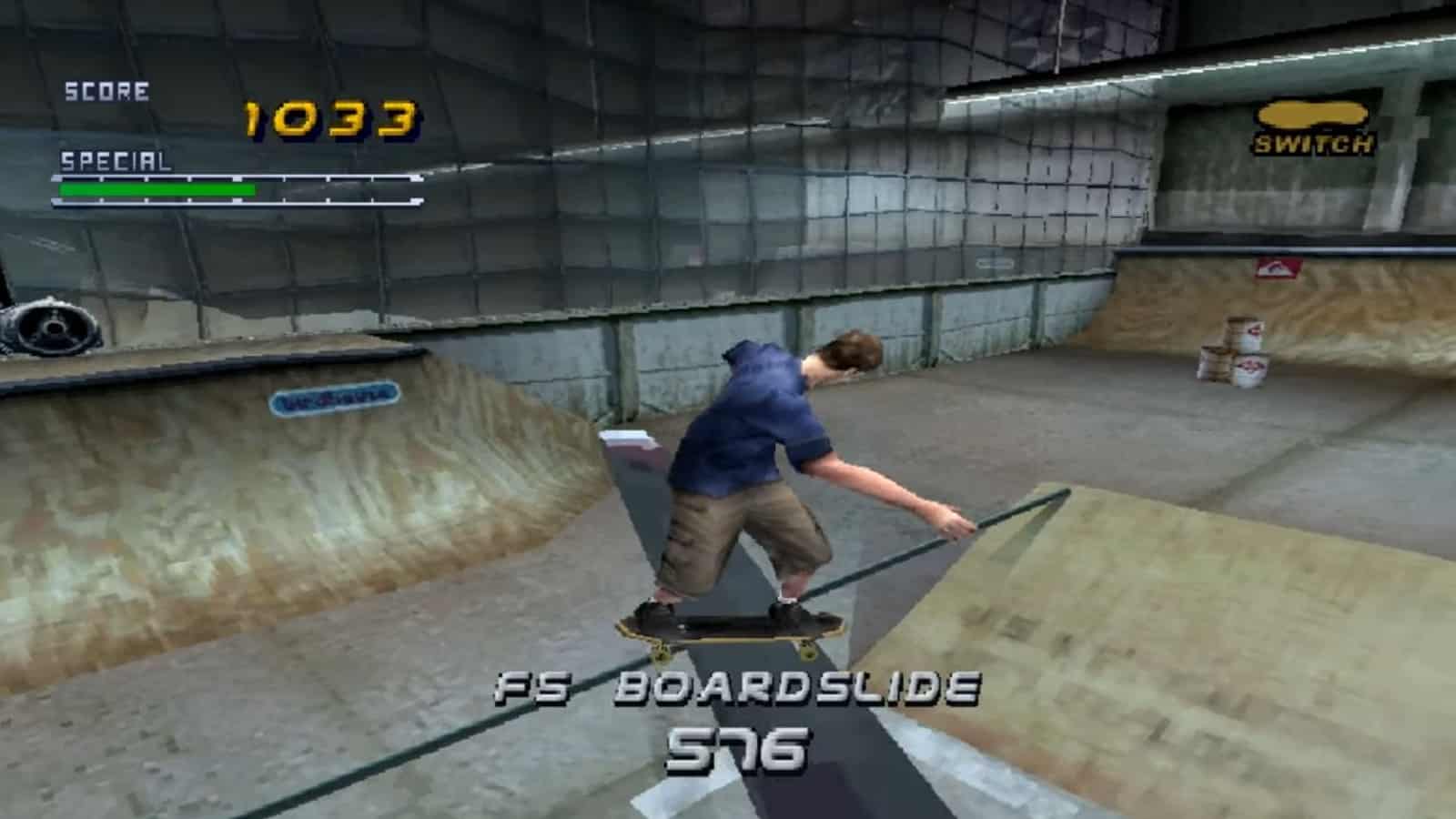
Released just a year after the original Tony Hawk's Pro Skater dominated players' PS1s with its amazing selection of levels and iconic soundtrack, Tony Hawk's Pro Skater 2 evolved the formula in significant ways while also simply delivering more of a good thing. Between its new soundtrack of killer punk, alternative, and hip-hop tracks, expanded skater roster, and addition of new mechanics (like the trick-chaining manual), Tony Hawk's Pro Skater 2 quickly became an essential pick-up for every console it ended up coming to, and though THPS 3 and 4 were also released in quick succession, you can still look at THPS 2 as the peak of the series that made those other games possible.
The Elder Scrolls IV: Oblivion
- Release Date — March 20, 2006
- Developer — Bethesda Game Studios
- Publisher — Bethesda Softworks
- Genre — RPG
- Review Aggregate Score — 94% (Universal Acclaim)
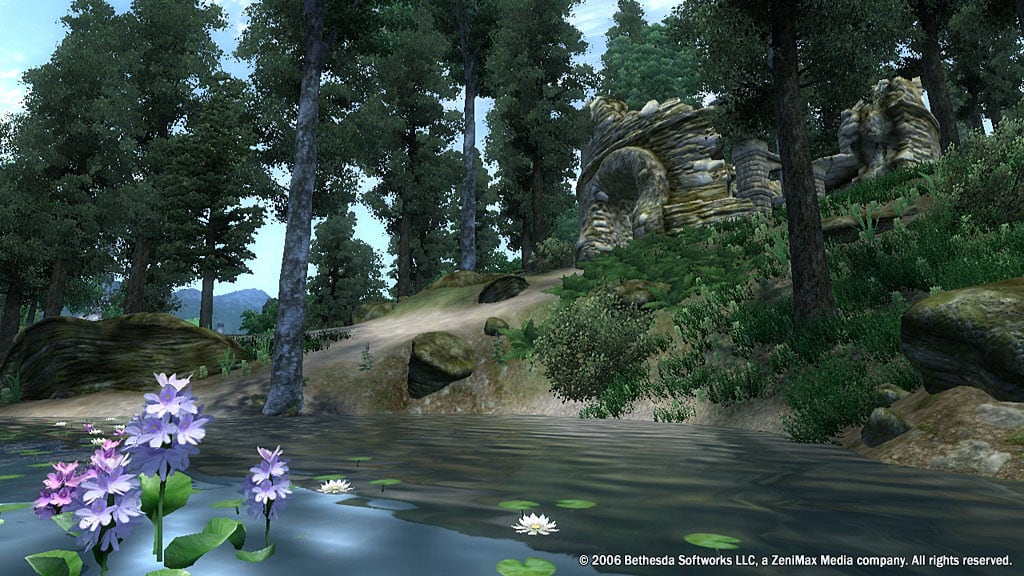
The leap in technology between 5th and 6th-generation hardware was an astounding jump that made experiences never before possible on console a reality, which was only further reinforced by the more subtle, but still significant, jump between 6th and 7th-generation hardware. Finally, consoles were able to keep up with what was possible on current-gen PC hardware, allowing games like The Elder Scrolls IV: Oblivion to come to the Xbox 360 and absolutely blow players away with its sprawling open world. Role-playing games were never the same, with Oblivion setting an incredibly high bar that would only be topped by the best games in the genre in the next decade, like The Witcher 3 and, of course, The Elder Scrolls V: Skyrim.
Wii Sports
- Release Date — November 19, 2006
- Developer — Nintendo EAD
- Publisher — Nintendo
- Genre — Sports, Simulation
- Review Aggregate Score — 76% (Generally Favorable)
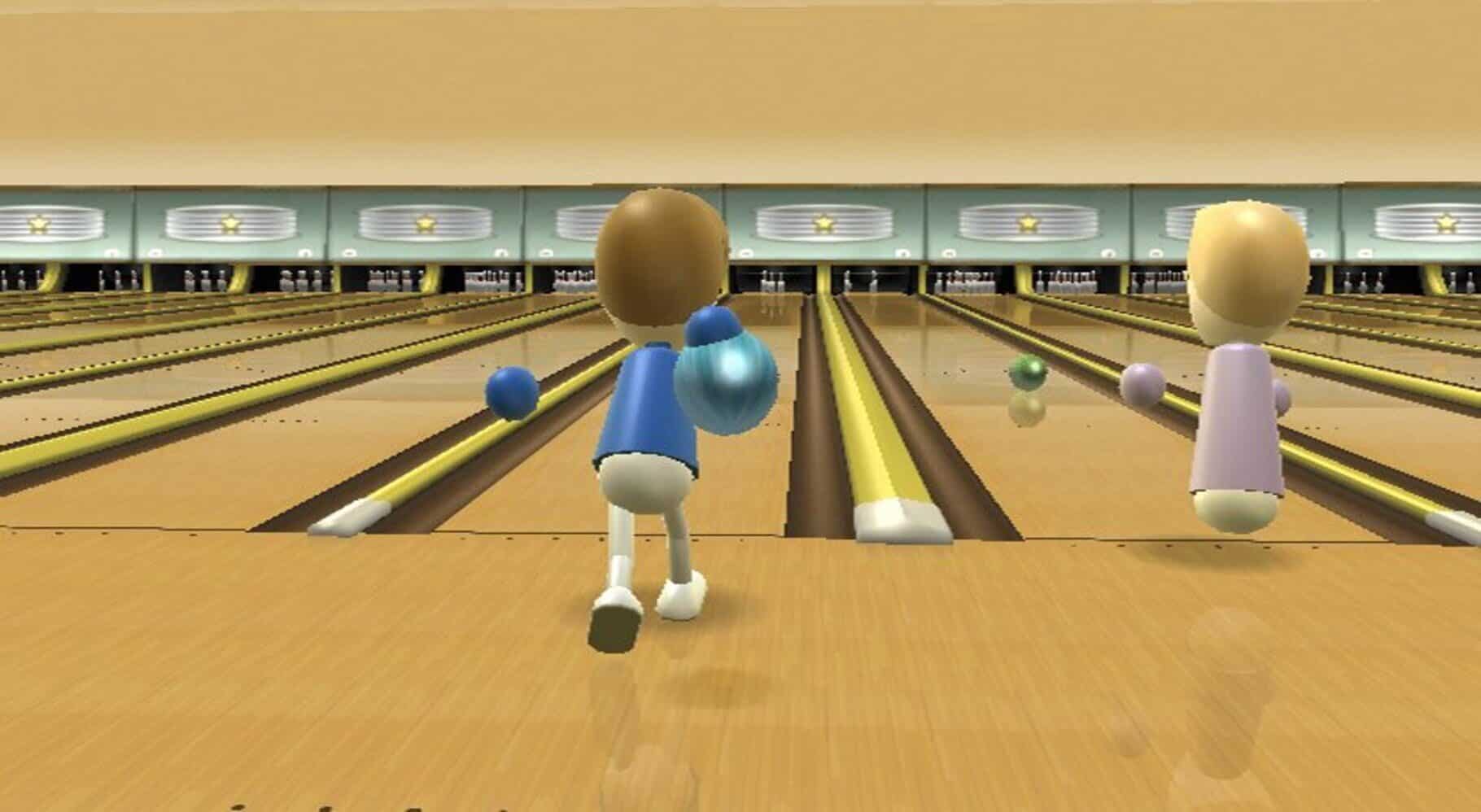
You can't make a list like this and not include Wii Sports, because for many, it was their very first foray into the world of gaming. Such was the power of the Wii, Nintendo's quaint little 7th-generation console that, despite its lack of horsepower under the hood, outsold the PlayStation 3 and Xbox 360 by a staggering margin thanks to its casual appeal and user-friendly motion controls. Wii Sports was the genius pack-in for the console that immediately let players see a perfect use case for the console's WiiMote controller while also enabling seamless 4-player couch co-op in some very fun approximations of bowling, tennis, and baseball. Chances are, a lot of you reading this might have a Wii and a copy of Wii Sports sitting somewhere in your house at this very moment.
Portal
- Release Date — October 10, 2007
- Developer — Valve
- Publisher — Valve
- Genre — Puzzle, Platformer
- Review Aggregate Score — 90% (Universal Acclaim)
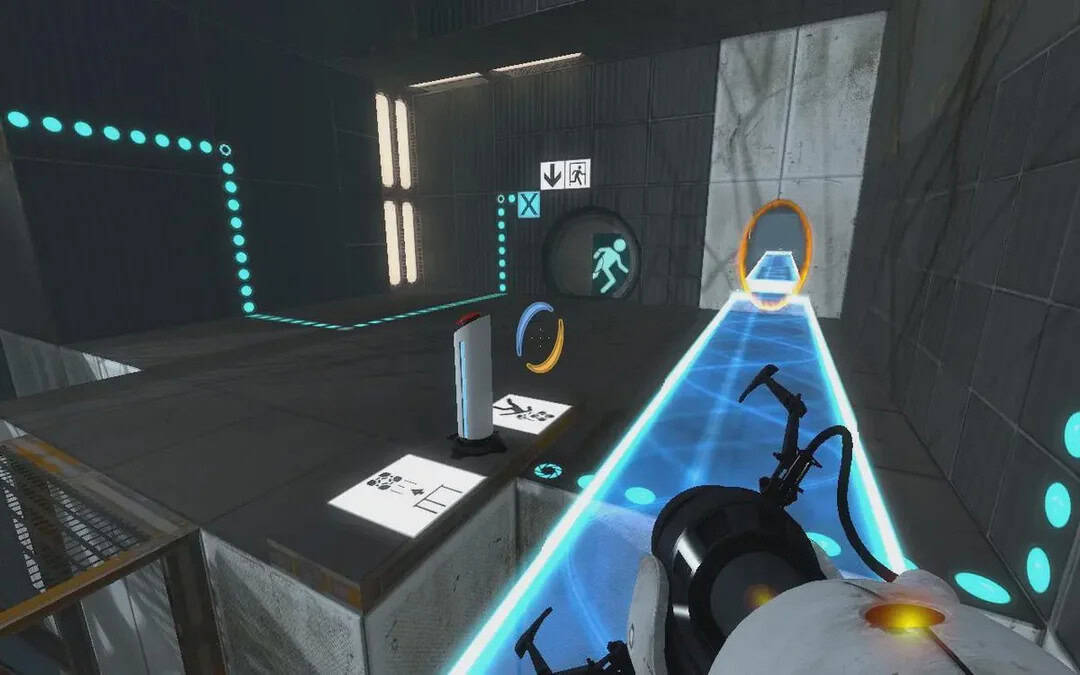
Valve's Orange Box was one of the best gaming compilations of all time, bringing together all of the Half-Life 2 saga along with Team Fortress 2 and, of course, Portal. Originally envisioned as a tech demo for ideas that might come to a potential Half-Life 3, Portal quickly grew legs to become its own thing, and what it became was one of the best puzzle-platformers of all time, complete with some mind-bending and physics-defying puzzles that test the limits of the imagination. Without Portal, we never would have gotten the incredible Portal 2 (not to mention all the other physics-based puzzlers that it inspired), which warrants its inclusion as a decade-defining title.
Mass Effect
- Release Date — November 20, 2007
- Developer — BioWare
- Publisher — Microsoft Game Studios
- Genre — Action RPG
- Review Aggregate Score — 91% (Universal Acclaim)
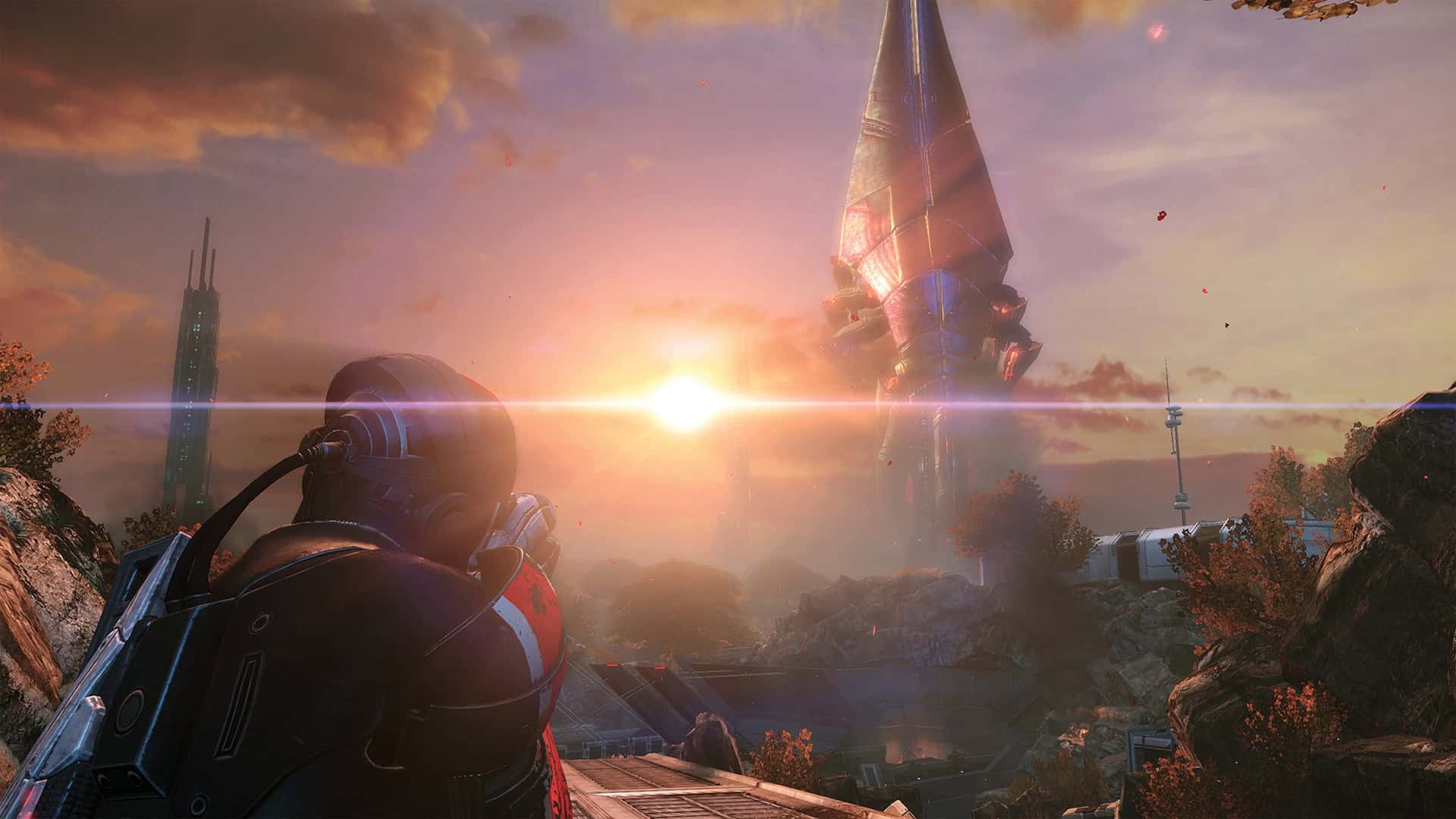
The foundations laid by BioWare with Star Wars: Knights of the Old Republic gave the developer all the inspiration it needed to craft its own sprawling, operatic space RPG, which it kicked off in style with 2007's Mass Effect. Despite technically being the weakest game of the eventual trilogy (mechanically, at least), Mass Effect's gripping story and emphasis on meaningful player choice were groundbreaking for its time, and that BioWare was able to fully deliver on a truly deep RPG experience while also bringing us one of the best third-person shooter combat systems on the market at the time was impressive. Mass Effect set an incredibly high bar that Mass Effect 2 would smash just a couple of years later, but it wouldn't have been possible without that pivotal first entry.
Grand Theft Auto: Vice City
- Release Date — October 29, 2002
- Developer — Rockstar North
- Publisher — Rockstar Games
- Genre — Action-Adventure
- Review Aggregate Score — 95% (Universal Acclaim)
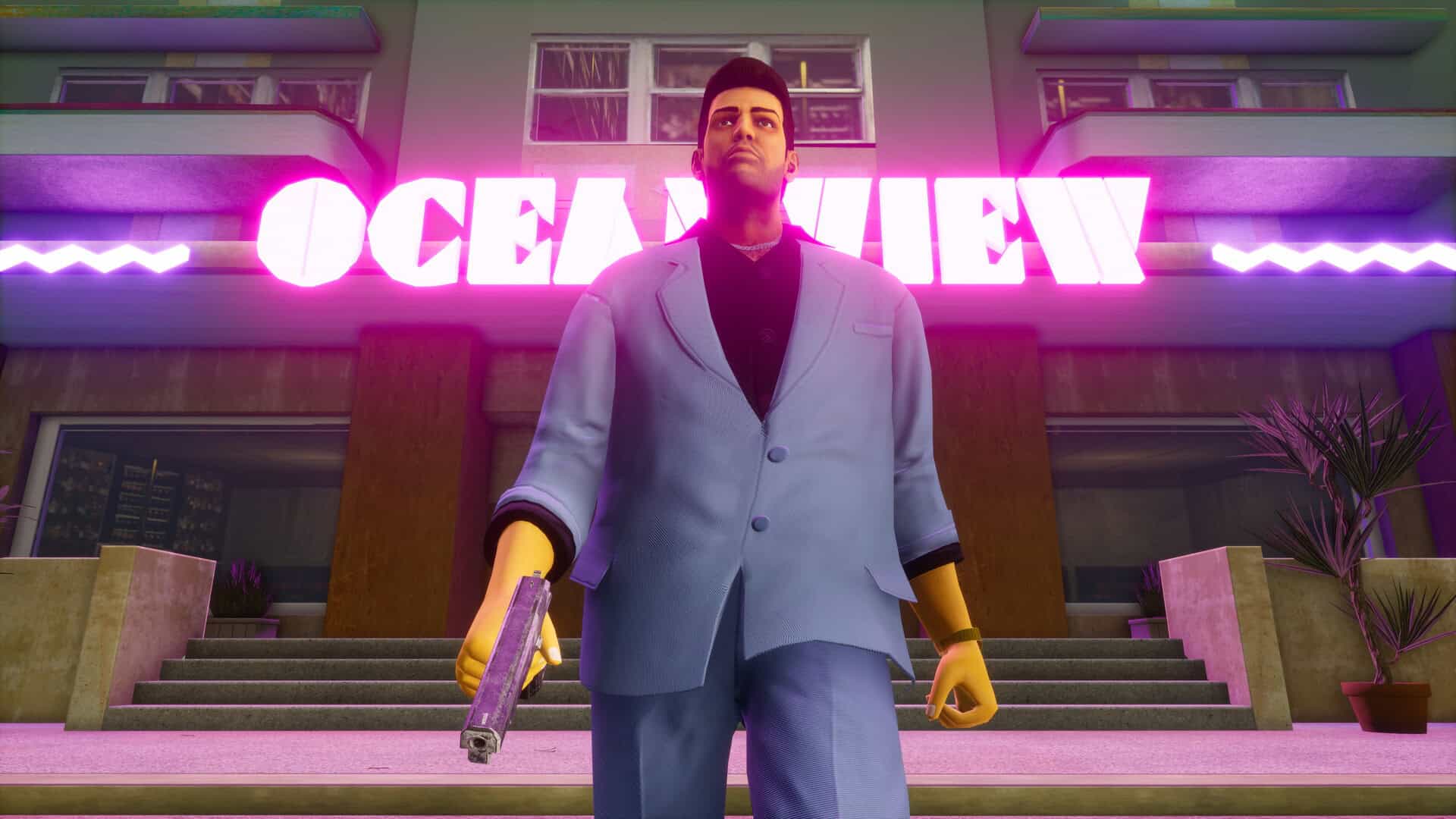
Arriving right at a time when mainstream pop culture was beginning to have a retrospective appreciation and obsession with everything 1980s, Grand Theft Auto: Vice City was a perfect game for the early 2000s. Not only did it successfully build on and iterate on the groundbreaking open-world gameplay of Grand Theft Auto III, it did so while paying homage to the Decade of Excess in a way that only Rockstar Games could, complete with the most iconic and legendary crop of licensed 1980s tunes to fill out its soundtrack. The gameplay additions (extra weapons, motorcycles, a new real estate meta game) were nice, but it was Vice City's setting and atmosphere that stole the show, Miami Vice-style.
Super Smash Bros. Melee
- Release Date — November 21, 2001
- Developer — HAL Laboratory
- Publisher — Nintendo
- Genre — Fighting
- Review Aggregate Score — 92% (Universal Acclaim)
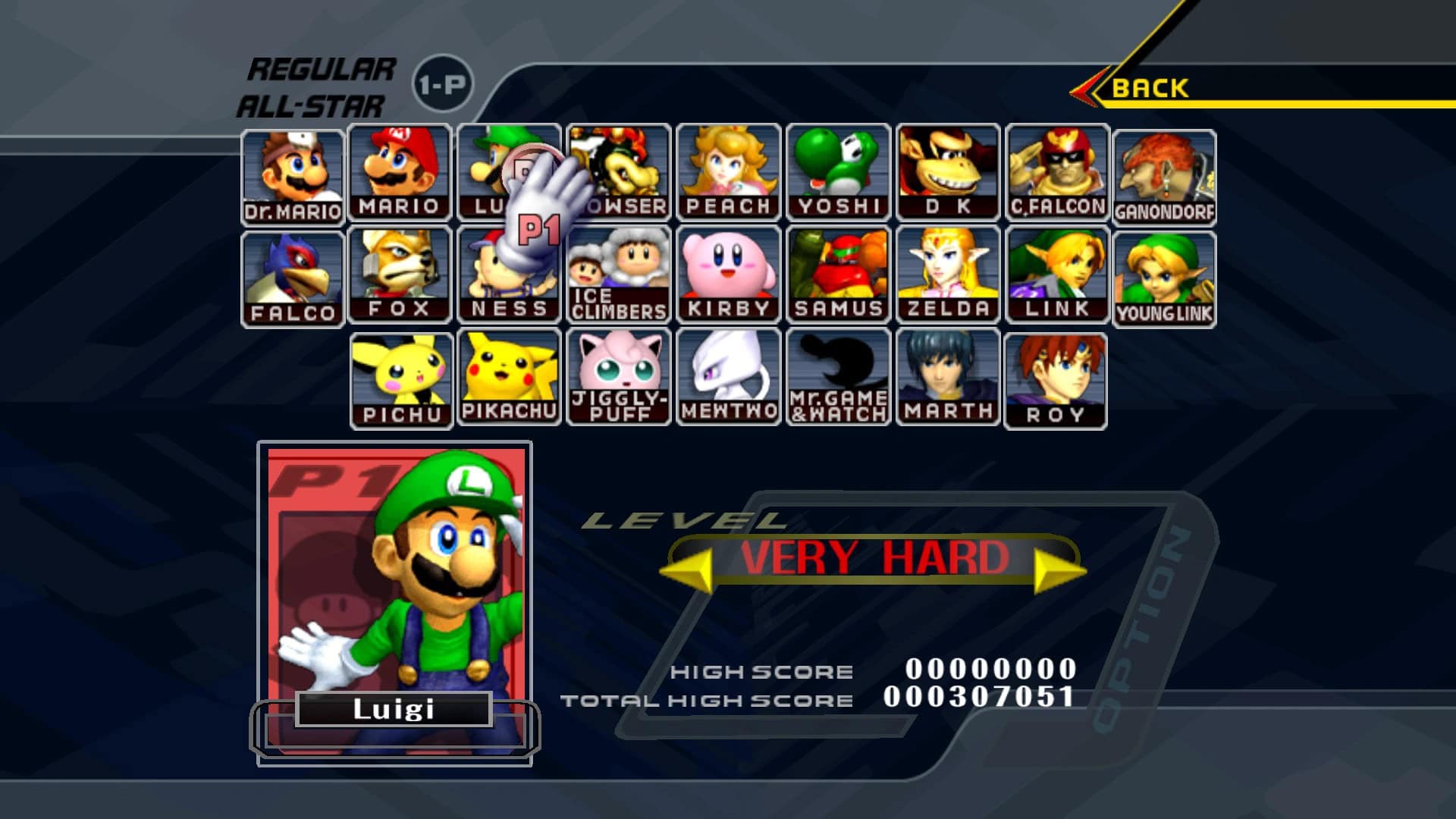
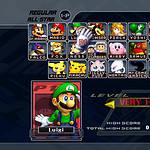
Regardless of what age you happened to be during the 6th-generation, chances are you played a good bit of Super Smash Bros. Melee on the GameCube, which is seemingly still the most-played entry in the franchise based on how widely-loved it is. While later entries in the Smash Bros. series may have outdone Melee in terms of their character rosters, modes, collectible trophies, and story, the airtight mechanics and perfect balance of Super Smash Bros. Melee made it the GameCube's number one fighting game, which, by proxy, made it an essential title to have in the console's library; especially if you happened to have siblings or roommates.
Halo 2
- Release Date — November 9, 2004
- Developer — Bungie
- Publisher — Microsoft Game Studios
- Genre — FPS
- Review Aggregate Score — 95% (Universal Acclaim)
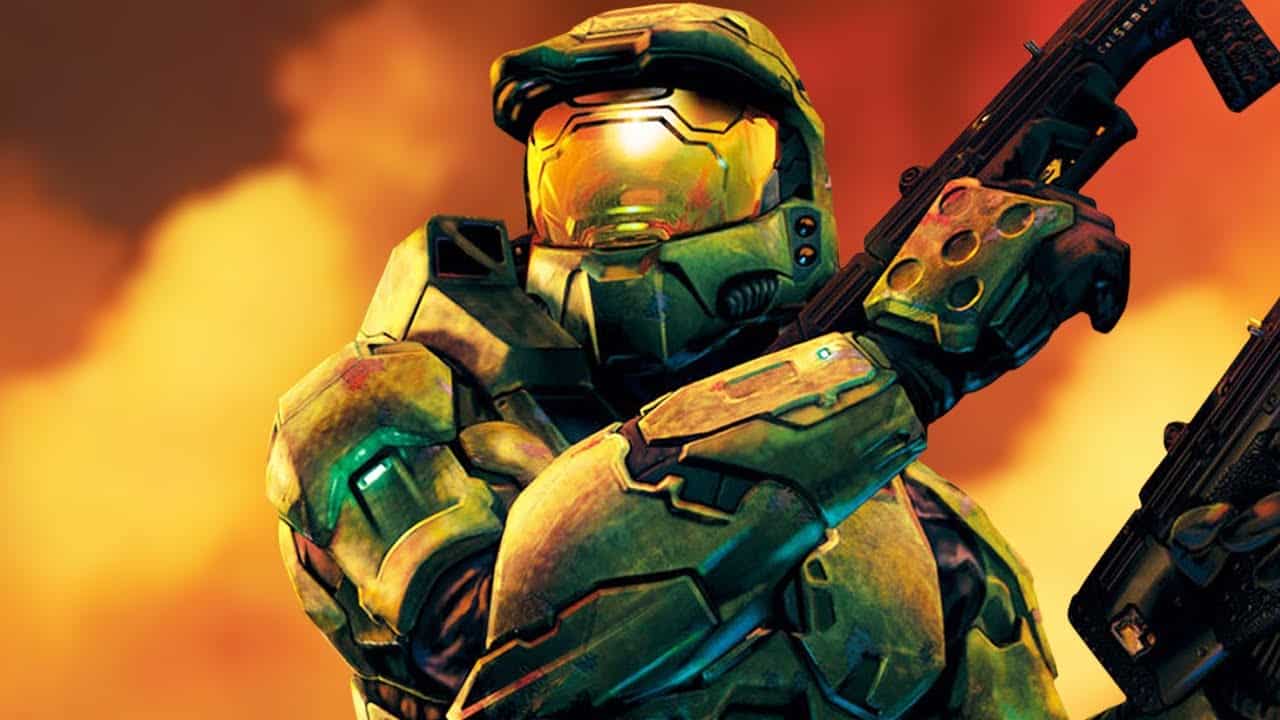
Prior to the launch of Halo 2, online gaming existed, but it didn't start to reach the heights of ubiquity that it currently enjoys until the arrival of Xbox Live and the first Halo sequel. Being there for the launch of Halo 2 and huddling around screens with friends, no longer constrained by the tethers of a LAN party, was something that, if you were around for it, felt like the future of gaming was unfolding before your very eyes. Sure enough, Halo 2 carried the series forward while also bringing Xbox one of its biggest hits to date, ensuring that a generation of FPS players would become accustomed to and expect robust online functionality with every new title in the genre.
Call of Duty 4: Modern Warfare
- Release Date — November 5, 2007
- Developer — Infinity Ward
- Publisher — Activision
- Genre — FPS
- Review Aggregate Score — 94% (Universal Acclaim)
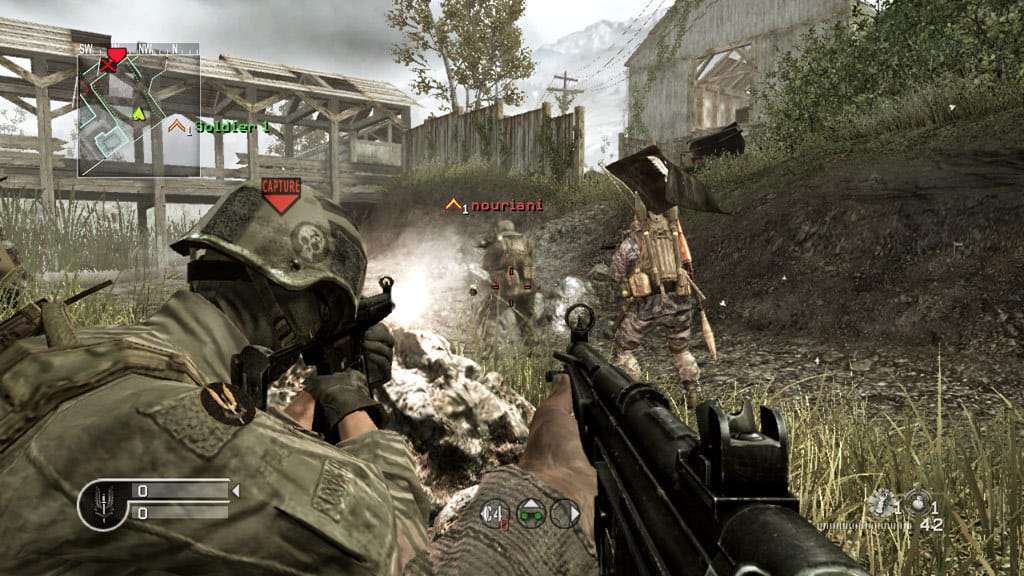
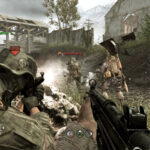
The natural evolution from the success and widespread online footprint of something like Halo 2 was Call of Duty 4: Modern Warfare, which, apropos to its title, brought the FPS genre fully into the modern era with its iconic online mode and legendary single-player campaign. The multiplayer of Modern Warfare was a different beast entirely from games like Halo 2; the maps were smaller, more densely packed, and time-to-kill (TTK) was dangerously low. If Halo 2 was a souped-up sports car, Modern Warfare was a rocket ship, and the genre (and the franchise) never looked back.
The Sims
- Release Date — February 4, 2000
- Developer — Maxis
- Publisher — Electronic Arts
- Genre — Simulation
- Review Aggregate Score — 92% (Universal Acclaim)
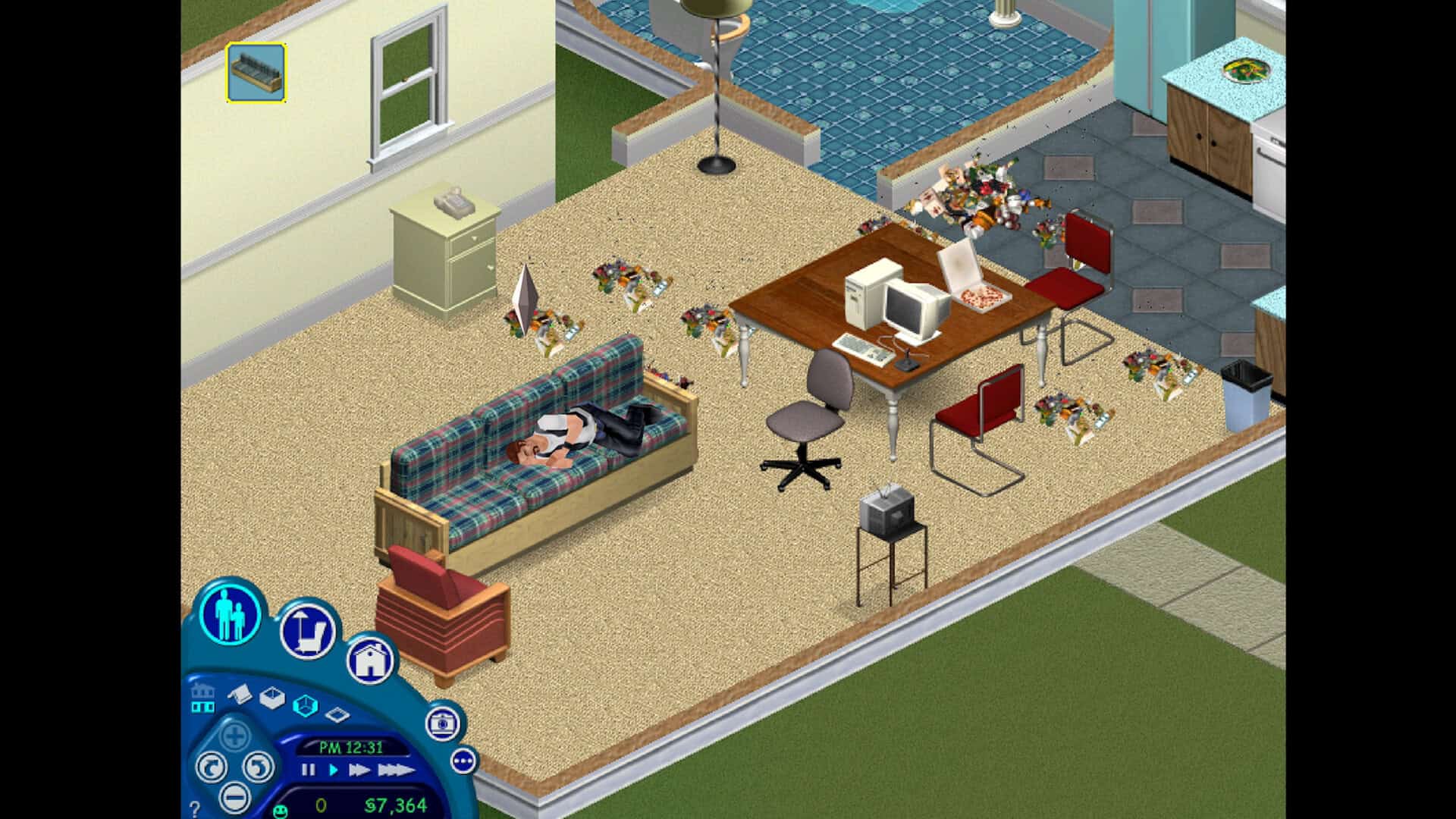
After several attempts at iterating on the classic Sim City formula with diminishing returns, Maxis went back to the drawing board and zoomed in its simulation game focus from city-building to life simulation and people management, giving players The Sims as a result. What followed was an absolute phenomenon, turning people who had never gamed before into full-on Sims obsessives who got deeply invested in the homes and lives they curated for their digital Simulons. Over the course of the decade, the franchise continued to bloom and add new mechanics and customization options while also transforming life simulation games from a small niche subgenre into a giant of the industry.
World of Warcraft
- Release Date — November 23, 2004
- Developer — Blizzard Entertainment
- Publisher — Blizzard Entertainment
- Genre — MMORPG
- Review Aggregate Score — 93% (Universal Acclaim)
It can be easy to just assume that World of Warcraft has been around forever, given how ingrained WoW is and how ubiquitous live-service and MMO titles are in the world of gaming. But for those who remember, World of Warcraft arrived on the scene in late 2004 and completely transformed the MMORPG landscape by delivering one of the most accessible, user-friendly, and addictive games in the genre to date. Like The Sims, World of Warcraft is a game that helped define the 2000s while also establishing itself as the standard-bearer for an entire genre, and it's still going strong more than 20 years later.
Metal Gear Solid 3: Snake Eater
- Release Date — November 17, 2004
- Developer — Konami Computer Entertainment Japan
- Publisher — Konami
- Genre — Action, Stealth
- Review Aggregate Score — 91% (Universal Acclaim)
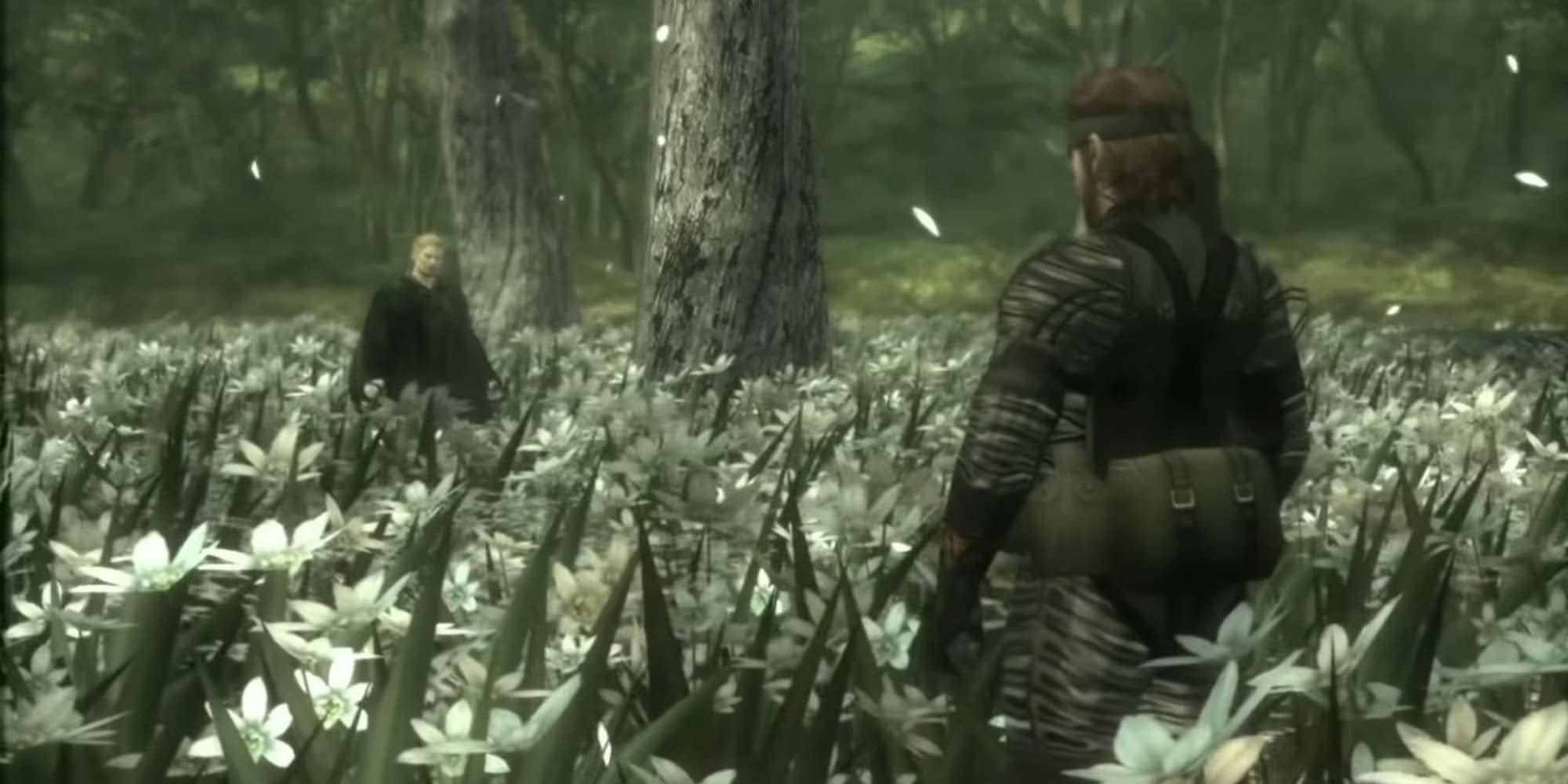
It's not the last of the Metal Gear Solid games, but it's hard not to feel like Metal Gear Solid 3: Snake Eater is a perfect swansong for the series' PS2 era, going back to the very beginning of the franchise timeline and letting players take on the role of the iconic villain, Big Boss. MGS3 contains just as many important bits of lore and foreshadowing for the franchise as it does incredible gameplay tweaks to the series' stealth action formula, all of which come together to form what's arguably the best Metal Gear game and a stunning technical achievement for Hideo Kojima and the PS2. Like its predecessors, Metal Gear Solid 3 redefined what players thought of when they heard "AAA Blockbuster".
The Legend of Zelda: The Wind Waker
- Release Date — December 13, 2002
- Developer — Nintendo EAD
- Publisher — Nintendo
- Genre — Action-Adventure
- Review Aggregate Score — 96% (Universal Acclaim)
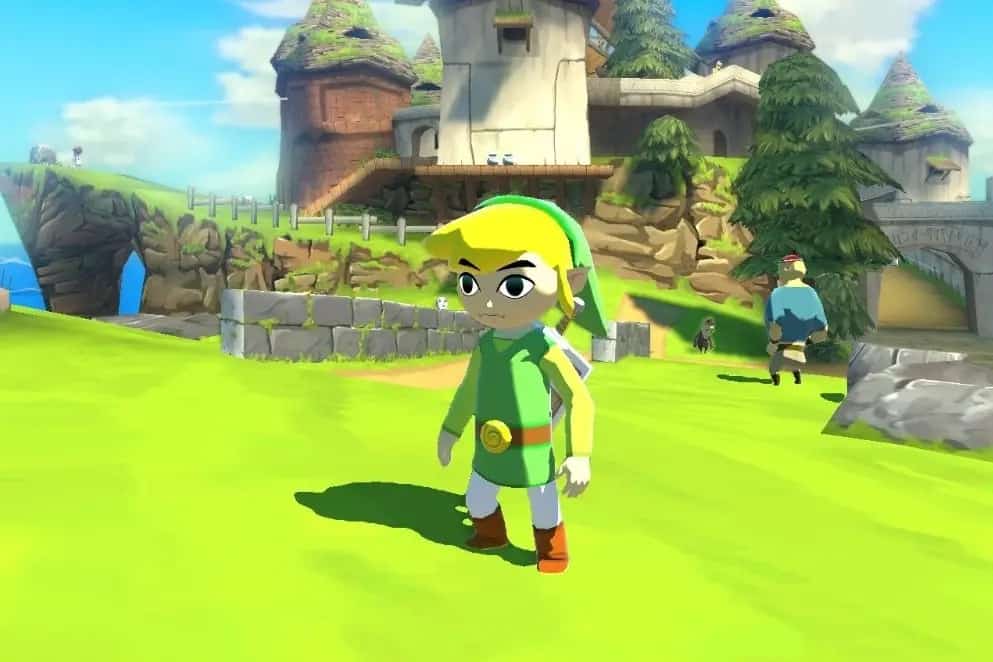
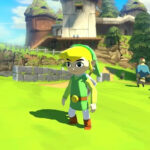
The Zelda series' debut on the GameCube was supposed to be a dark and more adult affair that reflected the aging tastes of the series' core fanbase, so when Nintendo debuted Wind Waker, a lot of fans were shocked at its cartoon-style visuals and child-era Link. But the same fans who were upset about this shift in tonality were quickly silenced when they picked up Wind Waker for the first time, learning that Nintendo won't let players down when it comes to one of its flagship franchises. The Wind Waker is a meditative Zelda adventure that ticks all the right boxes and would remain the best Zelda game of the 2000s (yes, even better than Twilight Princess) as the last traditional game in the series with a normal control scheme.
Guitar Hero II
- Release Date — November 7, 2006
- Developer — Harmonix
- Publisher — Red Octane, Activision
- Genre — Music, Rhythm
- Review Aggregate Score — 92% (Universal Acclaim)
Like both Halo 2 and Super Smash Bros. Melee, Guitar Hero II was a game of the 2000s that, even if you didn't own a copy yourself, you can bet you had a friend, sibling, or roommate who did. Just about everyone with either a PS2 or an Xbox 360 had a copy of Guitar Hero II and a couple of plastic guitar controllers sitting around, and for good reason. No game before it had ever tried to successfully approximate the fantasy of being a musician in a rock and roll band, and that Harmonix and Red Octane were able to so succinctly nail it the first go-around is remarkable. The rest, as they say, is history.
Shadow of the Colossus
- Release Date — October 18, 2005
- Developer — Sony Computer Entertainment Japan
- Publisher — Sony Computer Entertainment
- Genre — Action-Adventure
- Review Aggregate Score — 91% (Universal Acclaim)
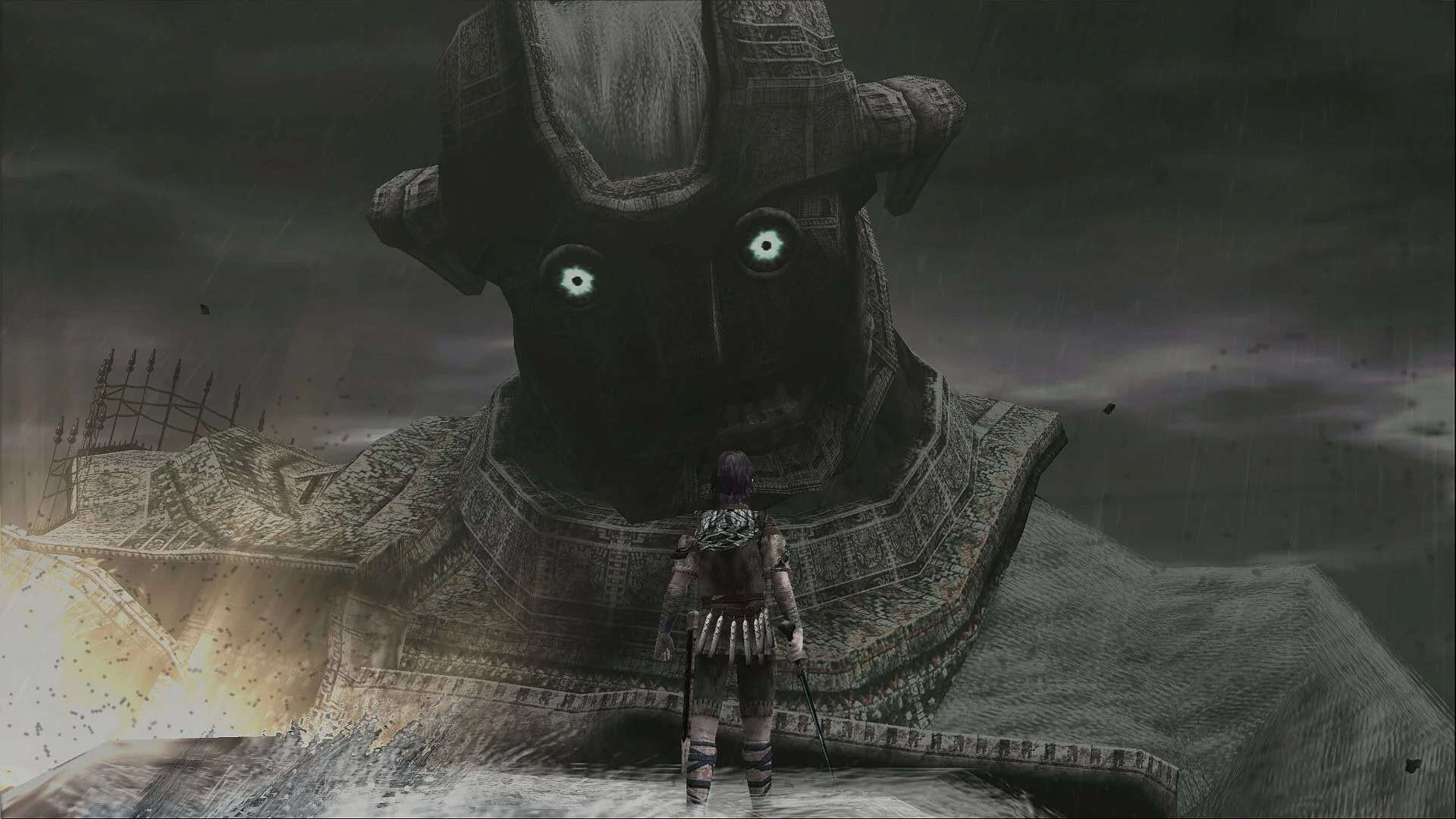
If players were somehow unfazed by the whimsical magic of The Legend of Zelda: The Wind Waker and still hungry for a darker Zelda-like adventure, they certainly got their chance with Shadow of the Colossus. Coming from the mind of singular creator Fumito Ueda, Shadow of the Colossus was an astounding follow-up to PS2 gem Ico that was part boss rush, part puzzle game, and part melancholic adventure, and it remains one of the most important games to release during the 2000s, acting as one of the handful of titles to launch during that period that are frequently used as evidence of games being art. It packs an emotional punch and is an impressive technical achievement, to be sure, but its gameplay is all the evidence you need of its genius.
God of War
- Release Date — March 22, 2005
- Developer — Santa Monica Studio
- Publisher — Sony Computer Entertainment
- Genre — Action
- Review Aggregate Score — 94% (Universal Acclaim)
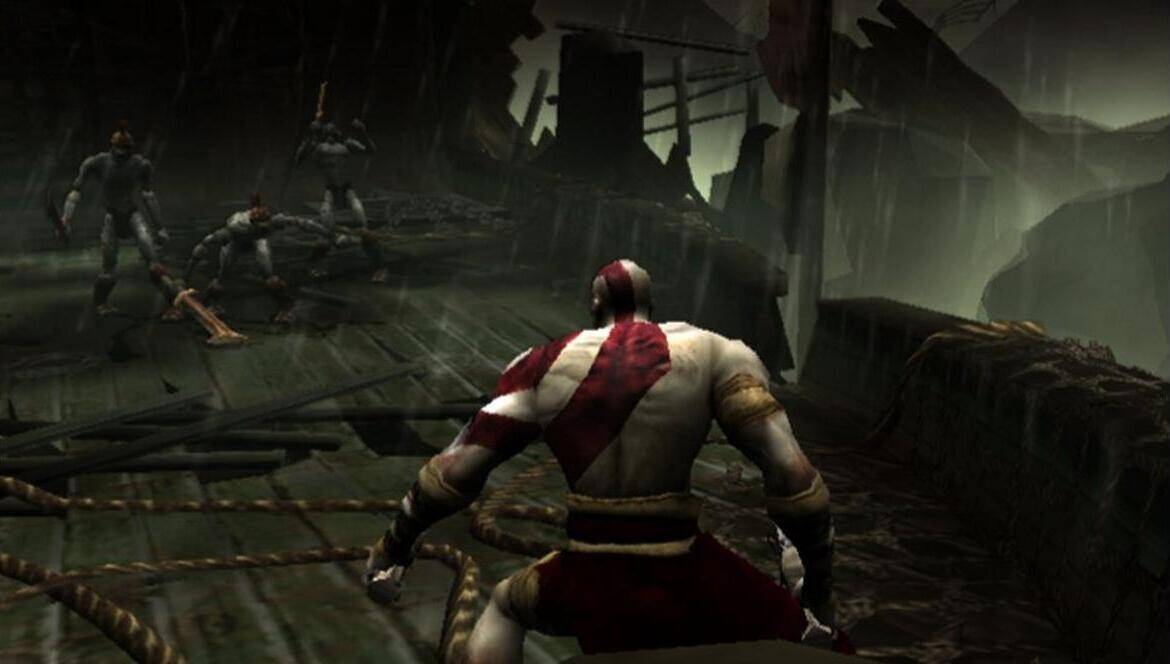
As was the case with Ninja Gaiden, Devil May Cry walked so that God of War could run, but David Jaffe's PS2 character action masterpiece took a different approach from most of the games in the subgenre. Rather than focus primarily on complex fighting game mechanics and an impressive sense of style, God of War was a sweeping epic tale that wowed players with the sheer scale of its environments, boss battles, and number of enemies on screen, giving players control over an interactive equivalent of a classic swords and sandals adventure like Clash of the Titans. And while God of War II is the bigger (and arguably better) game, the original God of War set a new high bar for all other action games released during the decade.
BioShock
- Release Date — August 21, 2007
- Developer — 2K Boston, 2K Australia
- Publisher — 2K
- Genre — FPS, Immersive Sim
- Review Aggregate Score — 96% (Universal Acclaim)
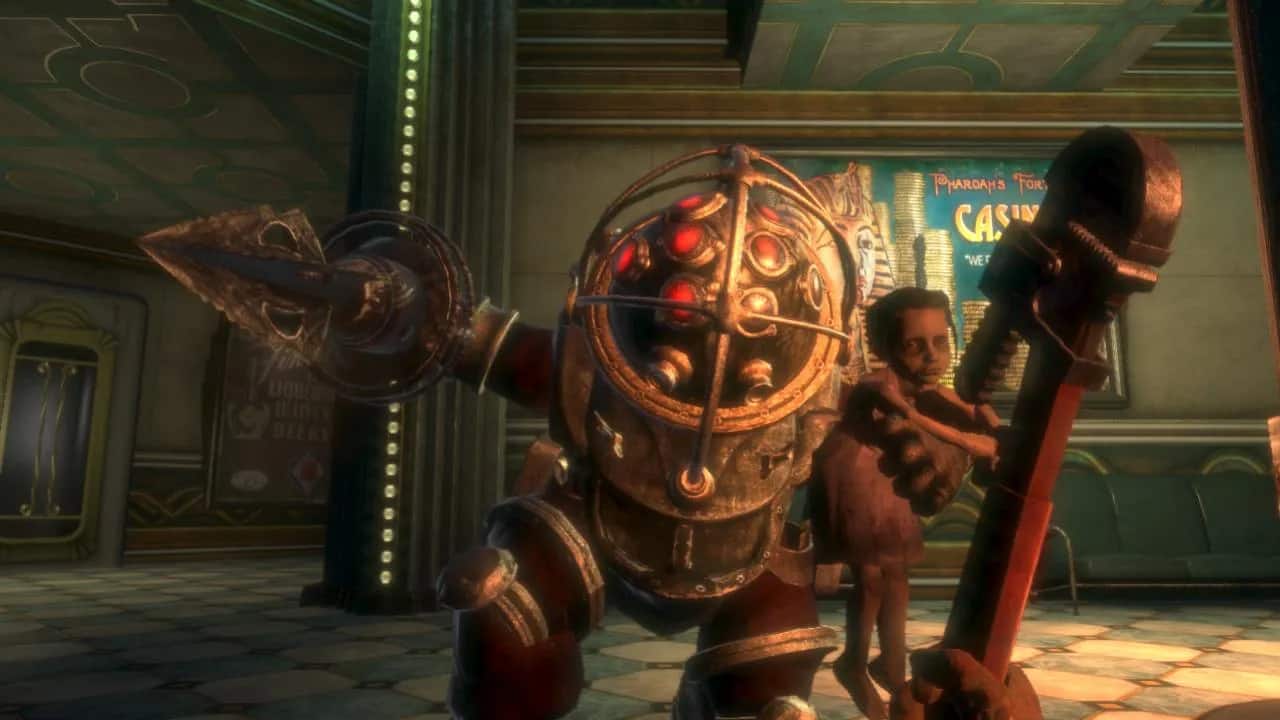
Ken Levine's System Shock 2 wasn't nearly as well-known by mainstream players as being this masterpiece of FPS and immersive sim game design back in the early 2000s, mostly serving as a cult classic for those who were primarily PC players. But those who did know were paying close attention to the development of BioShock, and when it arrived in 2007, it predictably made Ken Levine more of a household name and shone a light on his past works as being the foundational classics they are. We take first-person shooters with immersive simulation elements almost for granted these days, but when BioShock first arrived, it was still a potent mix that gave players unprecedented amounts of agency in how they tackled a challenge. And, man, that story. Would you kindly?
Half-Life 2
- Release Date — November 16, 2004
- Developer — Valve
- Publisher — Valve
- Genre — FPS
- Review Aggregate Score — 96% (Universal Acclaim)
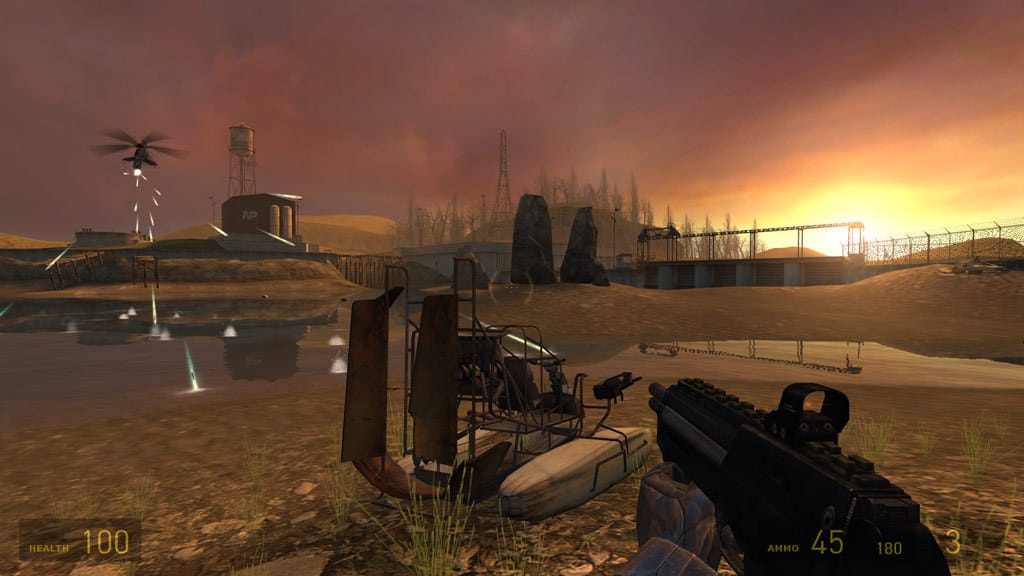
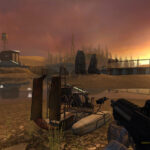
Yes — more than 20 years later, we're still hopelessly waiting for Valve to give us a Half-Life 3. What's kept us sane all these years, you might ask? Why, that Half-Life 2 is such a perfect game that it's enough to tide us over, maybe forever. Equal parts sci-fi blockbuster and tense, methodical horror game, Half-Life 2 continues the saga of Gordon Freeman and introduces one of the best FPS weapons ever in the Gravity Gun, letting players fight back against the alien occupation of the Combine and work with a small underground resistance to reclaim Earth. It's one of the best FPS titles ever made, and its arrival in 2004 established the precedent that most thinking-man's FPS titles after would try to follow.
Resident Evil 4
- Release Date — January 11, 2005
- Developer — Capcom Production Studio 4
- Publisher — Capcom
- Genre — Survival Horror
- Review Aggregate Score — 96% (Universal Acclaim)
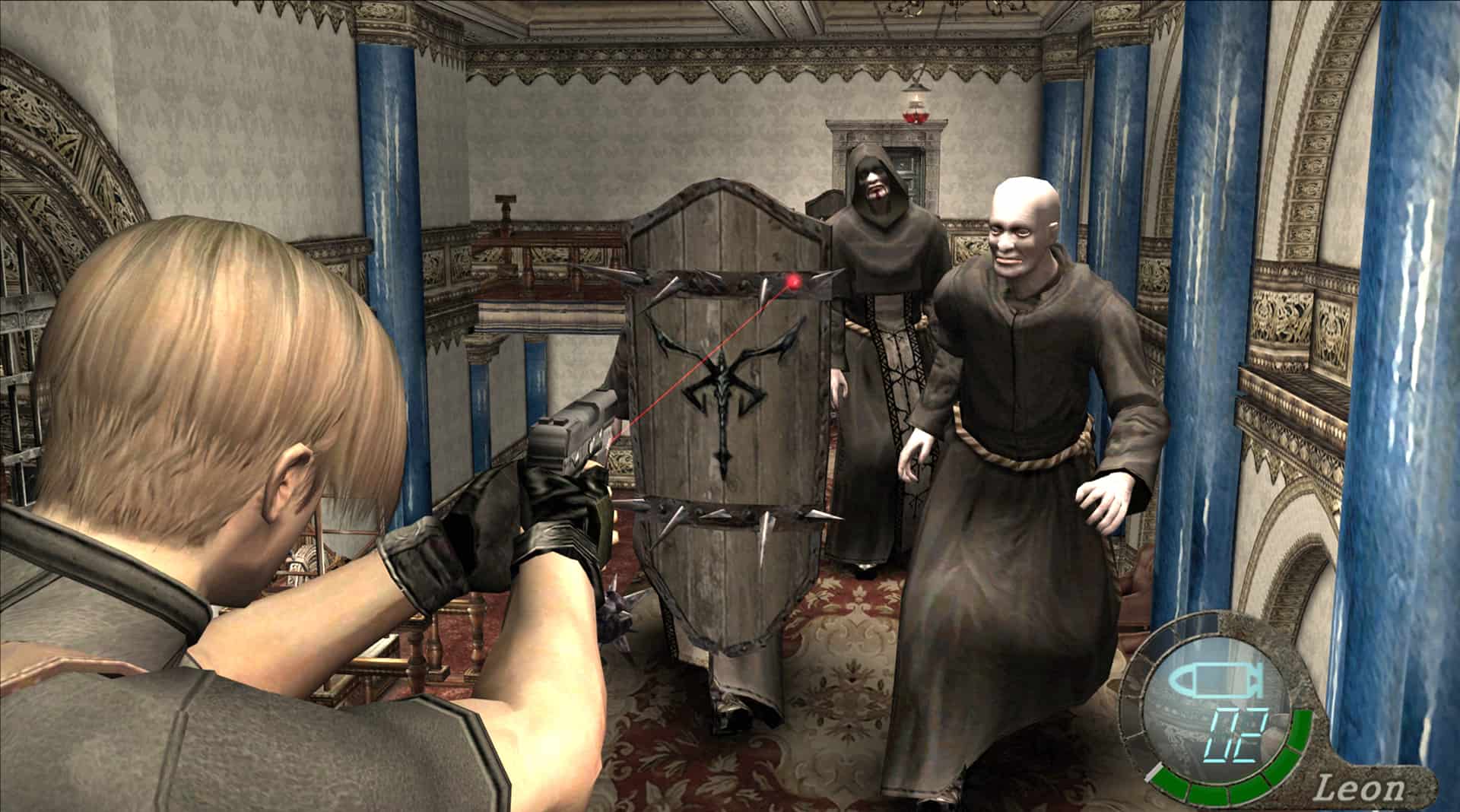
Aside from giving us Devil May Cry, we're thankful that Capcom had to return to the drawing board several times during Resident Evil 4's development, because that tumultuous experience ultimately gifted us one of the best action and horror games ever made. Heck, before Resident Evil 4, almost no one was using an over-the-shoulder third-person camera in shooters. After Resident Evil 4, though? It's pretty much the industry's stock-standard perspective for the genre. Resident Evil 4 was a revolutionary title that changed what players' expectations would be for a new game in the series, and it established Leon S. Kennedy as the best protagonist in the franchise.
Counter-Strike
- Release Date — November 9, 2000
- Developer — Valve
- Publisher — Sierra
- Genre — Tactical FPS
- Review Aggregate Score — 89% (Generally Favorable)
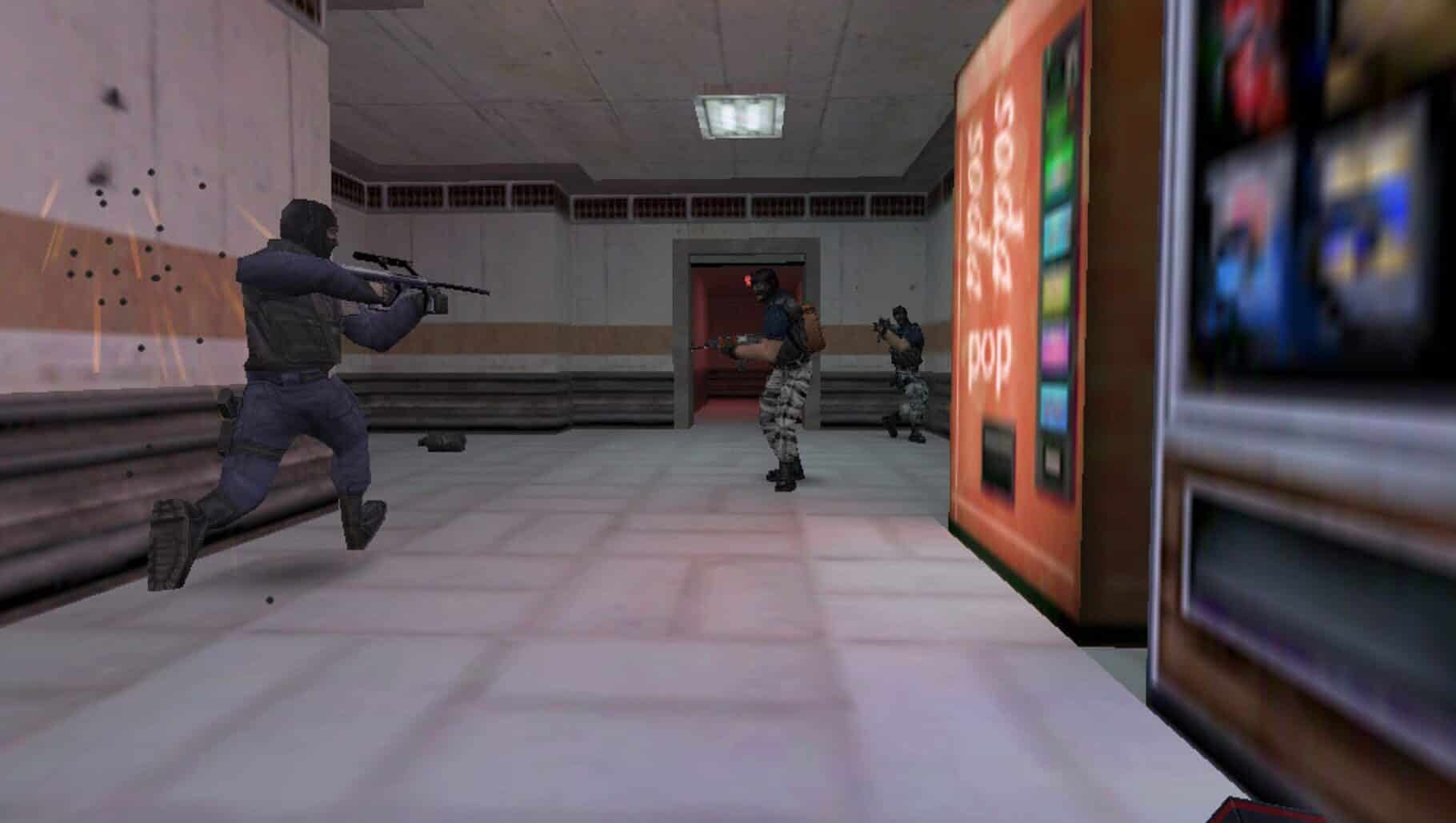
If Halo 2 was the game that popularized and democratized competitive online shooters for console gamers, that work was done on PC by Counter-Strike a few years prior. The story of Counter-Strike is one that could only have been born of the Wild West that was the early years of online gaming, with Valve discovering a fan-made mod for Half-Life that was so good, it chose to license it and let the creator become an employee at the company. A quarter century later, Counter-Strike is one of the most important competitive shooters ever made and the most-played game on Steam globally by a large margin. Turns out Valve knew a good thing when they saw it.
Halo: Combat Evolved
- Release Date — November 15, 2001
- Developer — Bungie
- Publisher — Microsoft Game Studios
- Genre — FPS
- Review Aggregate Score — 97% (Universal Acclaim)
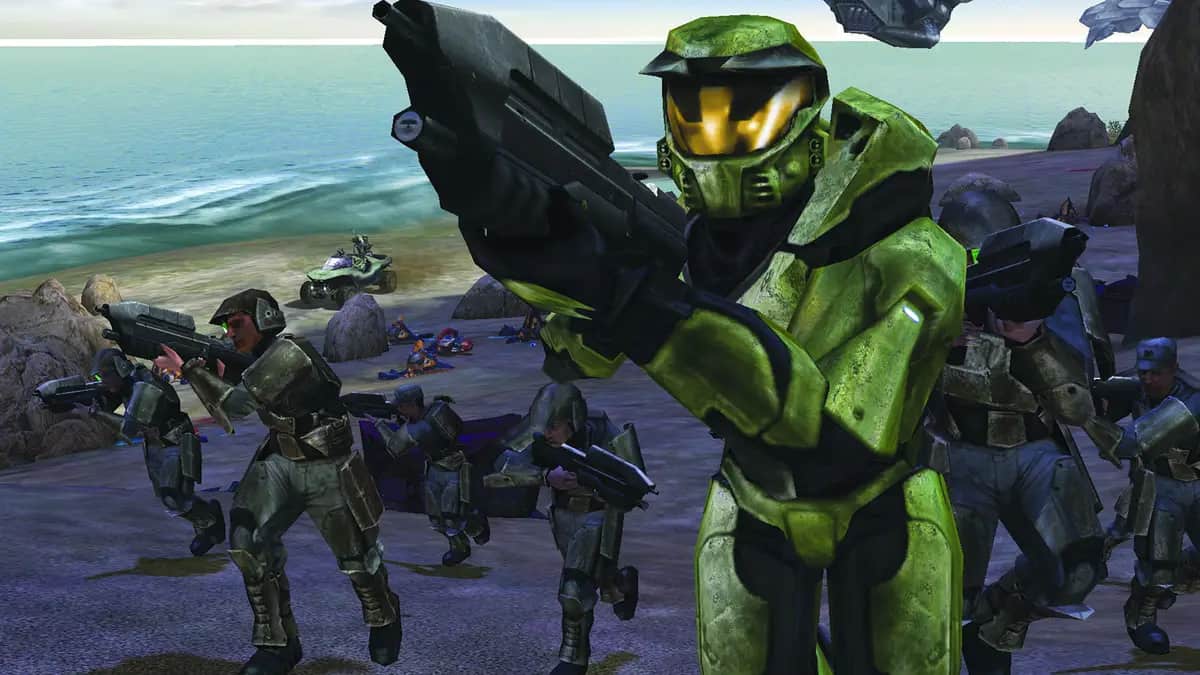
The mere fact that we even still have Xbox consoles and a Microsoft Game Studios publishing division today is all thanks to the might of the original Halo: Combat Evolved, a first-person shooter so good that it took new titles in the FPS genre from being "Doom clones" to aiming for being potential "Halo killers". Halo was also the game that single-handedly validated the Xbox at launch, showcasing its potential as an alternative to the GameCube and the PS2 with how much closer it was to a PC that could be plugged into your TV than a console. Of course, I'd be remiss if I didn't mention the LAN parties that Halo inspired, which were decade-defining events in and of themselves that, nowadays, aren't necessary, but are oh so missed.
Grand Theft Auto III
- Release Date — October 23, 2001
- Developer — DMA Design
- Publisher — Rockstar Games
- Genre — Action-Adventure
- Review Aggregate Score — 97% (Universal Acclaim)
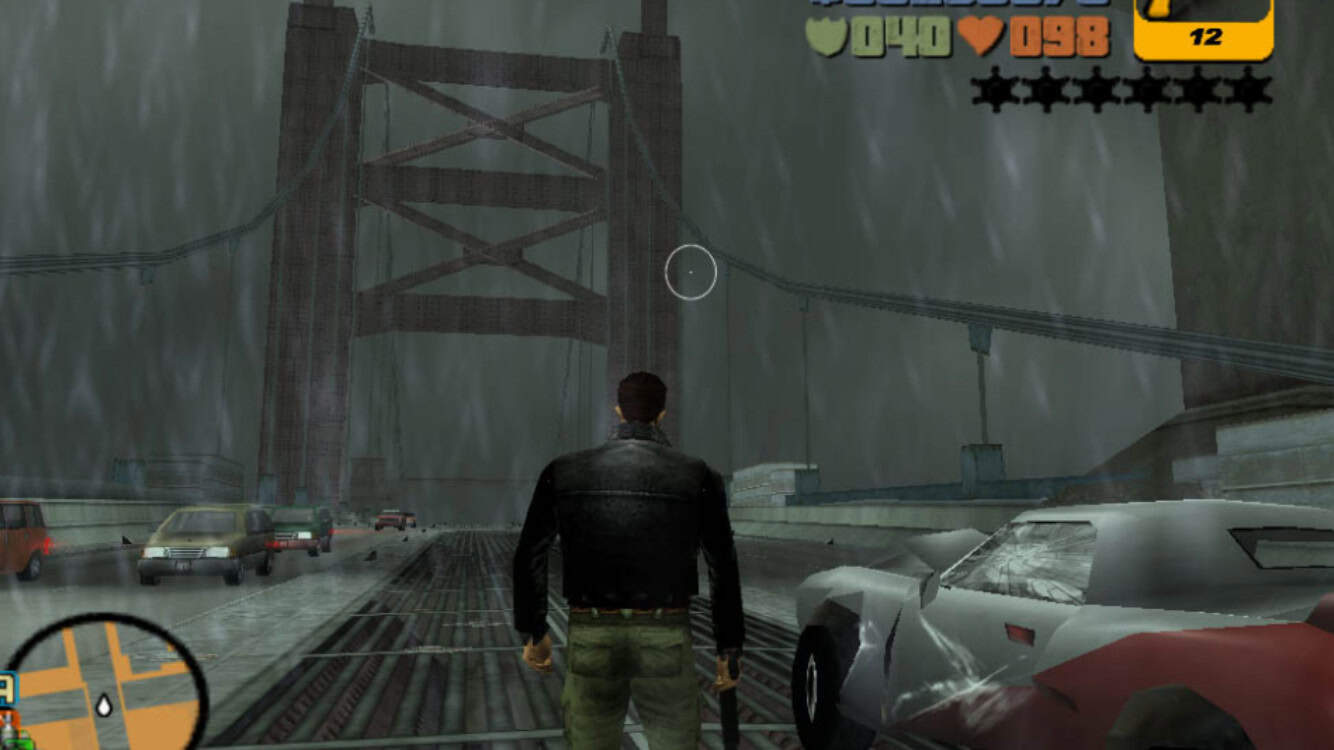
If there's a single game that stands tall as the most definitive title to release during the 2000s, that honor realistically goes to Grand Theft Auto III. Simply look at the number of open-world games that have been released in the 25 years between Grand Theft Auto III's arrival in 2001 and now, and understand that none of them would have been possible without the impact that GTA III had on the industry at large. Yes, its two PS2-era sequels would surpass it in terms of gameplay depth and narrative complexity, but Grand Theft Auto III was nothing short of a revolution when it first released, and developers have since been playing catch-up with every new iteration of a Rockstar Games open world.